Cracking the Code: Navigating the Social World with Confidence

April 8, 2026

A neuro-affirming approach for teens and young adults to build authentic connections.


Being a teenager can feel like everyone else was given a social rulebook that you never received. Between the rapid-fire energy of a group chat, the unwritten rules of the school corridor, and the pressure of group projects, communication can feel more like a performance than a connection.

At Speech Therapy HQ, we know that traditional social skills training often misses the mark. We don’t focus on making you act more "normal" or forced eye contact. Instead, we work with teens and young adults to build functional confidence. We help you navigate the world on your terms while protecting your energy and your identity.

Why Social Communication Feels Different in the Teen Years


For parents, it can be heartbreaking to watch your child struggle to make friends or pull away from social situations. For the teen, it’s often a matter of sensory and social load. Our sessions for teens (whether in Manchester, or via Telehealth) look different than traditional clinic visits. We focus on real-world scenarios that matter to you.


  • Digital nuance
  • Navigating memes, sarcasm, and the vibe of group chats without the benefit of tone of voice.
  • Social battery management: 
  • Identifying the difference between feeling shy and experiencing Autistic or ADHD burnout. 
  • Self-advocacy: 
  • The single most important skill a teen can learn is how to advocate for their needs. We work on scripts to explain sensory needs (e.g., "I need a quiet spot for 5 minutes") and clarify instructions (e.g., "Can you break down that project into steps?").
  • Understanding others: 
  • Understanding that communication is a two-way street and other people can support communication success too! It’s not about "fixing" your speech, but about finding people who speak your language and understanding theirs too.


Our Teen-Centred Approach


Our sessions are collaborative and age-appropriate. Whether we meet in our Manchester clinic or via Telehealth, we focus on goals that actually matter to a young adult’s independence:


  1. Self-advocacy: Learning how to tell a teacher or employer what you need (e.g., "I process information better when it’s written down").

  2. Interview & workplace skills: Preparing for that first part-time job or university interview in a way that feels authentic, not rehearsed.

  3. Conflict resolution: How to handle a disagreement with a friend without feeling overwhelmed.

  4. Nervous system regulation: Practical tools to stay calm when a social environment gets too loud or chaotic.

A Note for Parents & Caregivers


We understand that you want to see your child happy, independent, and connected. Private speech therapy at this stage isn't just about talk; it’s about providing a safe, neuro-affirming space where your teen feels understood rather than judged.


By focusing on their strengths and helping them understand their unique communication profile, we help reduce the anxiety that often leads to school refusal or social withdrawal.

Take the Next Step Together


Communication shouldn't be a source of stress. Whether you are looking for a one-off assessment or ongoing support, we are here to help your teen find their voice and their tribe.

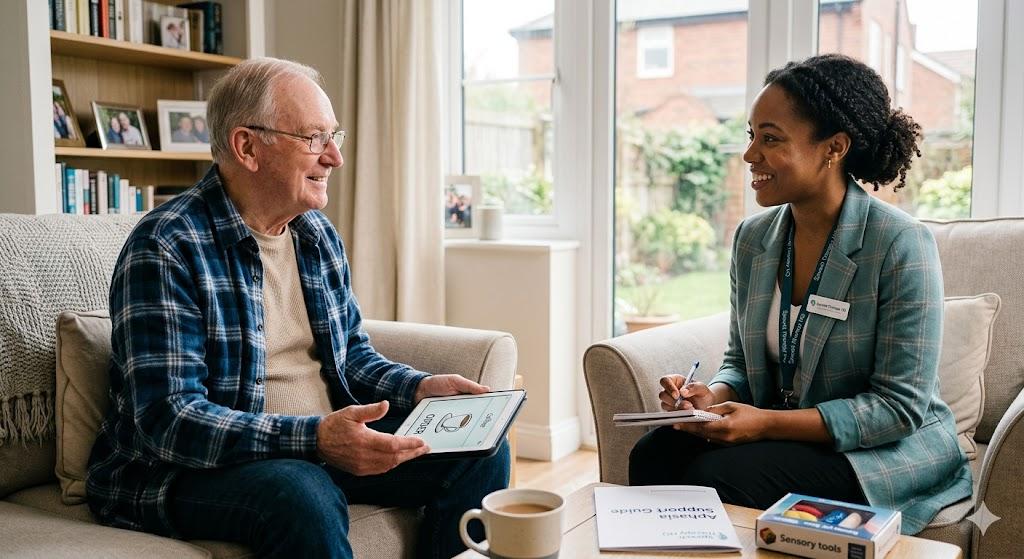
Adult speech therapy for a stroke patient
March 5, 2026
A stroke, brain injury, Parkinson’s disease, multiple sclerosis, or other neurological condition can affect communication in different ways.
Assisted feeding and swallowing in dementia patient
February 26, 2026
This guide explains common swallowing difficulties in dementia, how therapy can help, and when to seek professional support.

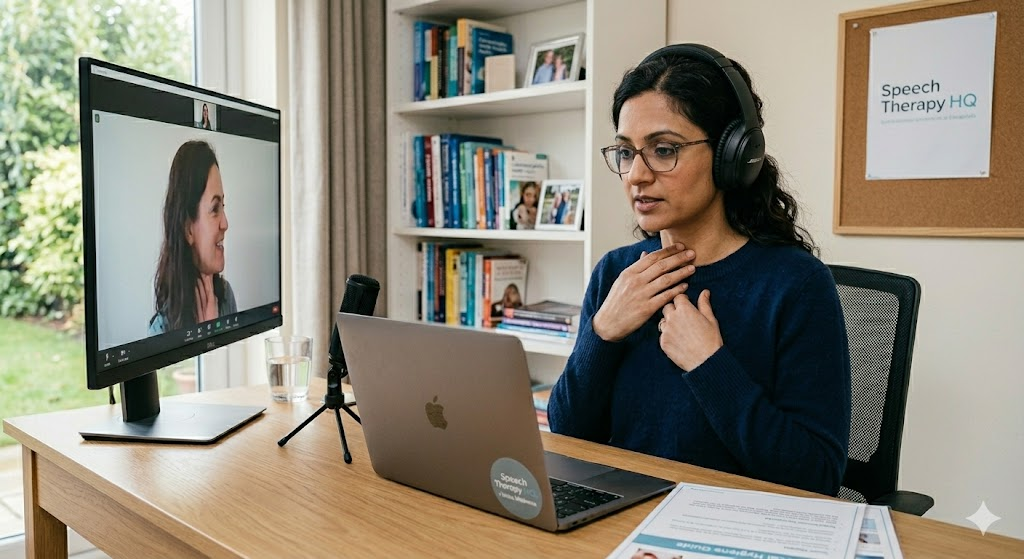
Remote online aphasia therapy
February 11, 2026
In this guide, we explain what aphasia is, how private aphasia therapy for adults works, and how specialist support can help rebuild communication and confidence after stroke.

Adult speech therpy, treating parkinsons
February 11, 2026
Parkinson’s disease affects more than movement, it often impacts speech, voice, and communication. Many adults notice changes such as softer voice, slurred speech, or difficulty being understood, which can affect independence, confidence, and social connection.
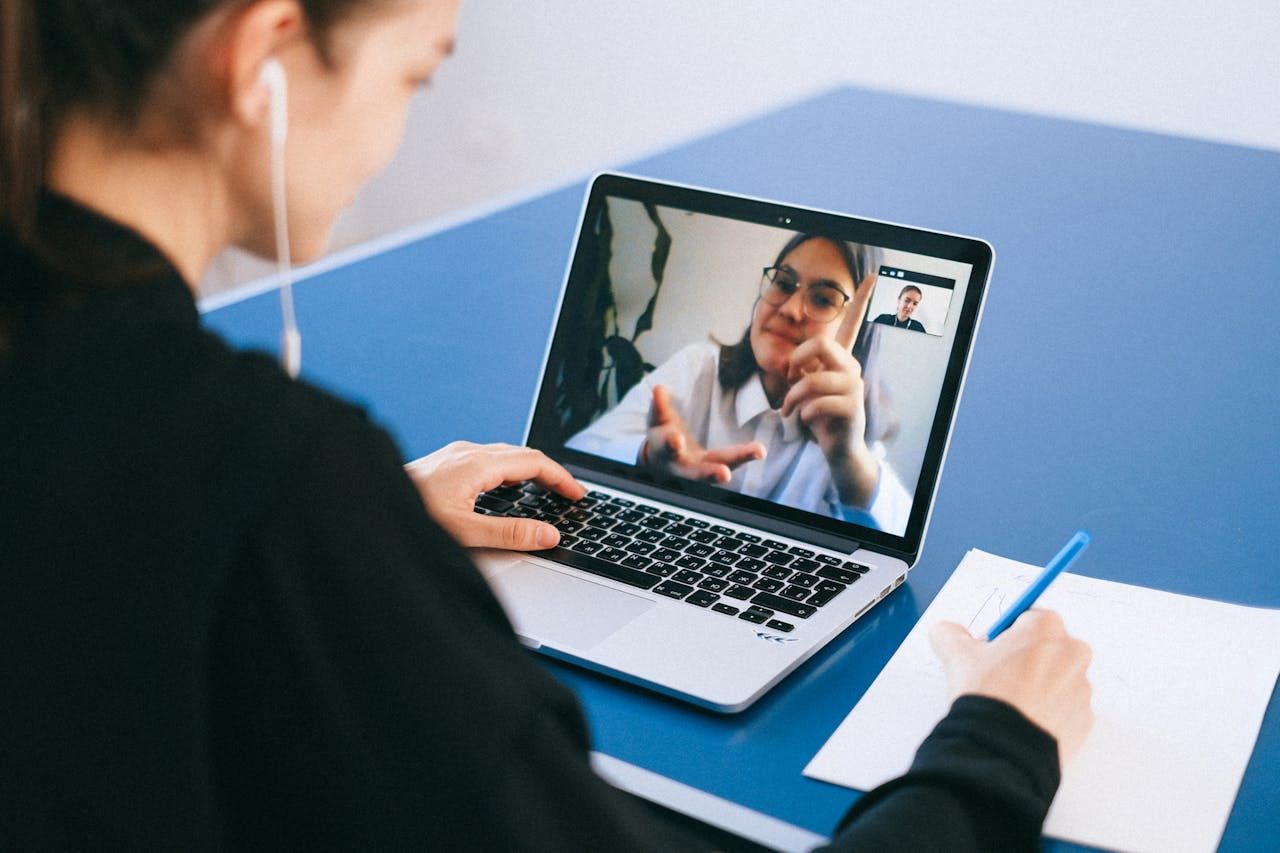
The Benefits of Private Online Speech Therapy
May 22, 2025
Discover the benefits of private online speech and language therapy for adults. Enjoy flexible, expert support via video sessions – improve your communication skills from the comfort of home. Book your remote therapy consultation today!