Private Aphasia Therapy for Adults After Stroke: How Speech and Language Therapy Can Help
If you or a loved one has been diagnosed with aphasia after stroke, you may be feeling overwhelmed, confused, and unsure what to do next.
Aphasia affects a person’s ability to speak, understand, read, or write, but it does not affect intelligence.
The right speech and language therapy can make a powerful difference.
In this guide, we explain what aphasia is, how
private aphasia therapy for adults works, and how specialist support can help rebuild communication and confidence after stroke.
What Is Aphasia?
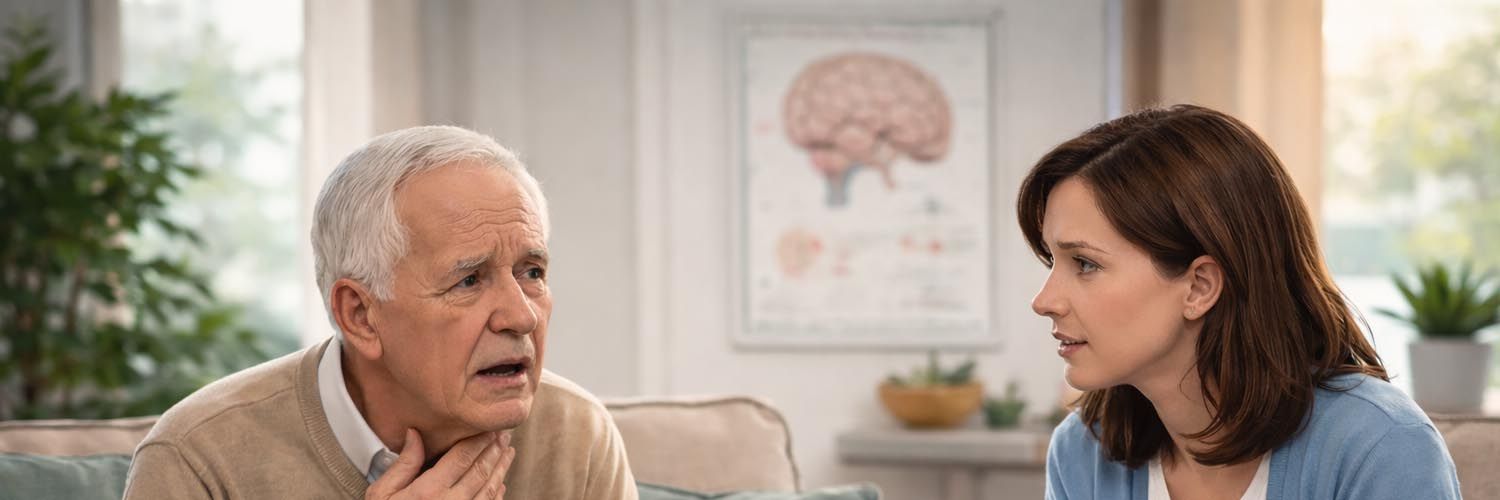
Aphasia is a language disorder caused by damage to the brain, most commonly after a stroke. It can also occur following traumatic brain injury, brain surgery, infection, or neurological illness.
Aphasia may affect:
- Speaking in full sentences
- Finding the right words
- Understanding conversation
- Reading and writing
- Following instructions
Some people have mild word-finding difficulties. Others may struggle to produce speech at all.
Every case of aphasia is unique, which is why personalised holistic therapy is essential.
Can Aphasia Improve After Stroke?
Yes.
The brain has an incredible ability to adapt and reorganise itself, a process known as neuroplasticity. With targeted speech and language therapy, many adults experience meaningful improvements, even months or years after their stroke.
Early therapy is beneficial, but recovery does not stop after hospital discharge.
Many people seek private aphasia therapy when:
- NHS therapy sessions have ended
- They want more intensive input
- They feel progress has plateaued
- They are preparing to return to work
- Family members want structured guidance
Improvement is possible at every stage.
How Private Aphasia Therapy Helps
Comprehensive Aphasia Assessment
Private therapy begins with an in-depth assessment of:
- Expressive language (speaking and writing)
- Receptive language (understanding)
- Word-finding ability
- Conversation skills
- Reading comprehension
- Functional communication in daily life
This allows therapy to be tailored to your specific strengths and challenges.
Personalised Therapy Goals
No two people with aphasia are the same.
Your therapy may focus on:
- Rebuilding sentence structure
- Improving word retrieval
- Strengthening conversation skills
- Using strategies to reduce frustration
- Preparing for real-life communication situations
- Supporting return to work or social roles
Goals are always practical and meaningful, centred around everyday life.
Evidence-Based Aphasia Treatment Approaches
A specialist speech and language therapist may use:
- Word-finding therapy techniques
- Conversation partner training
- Script training for everyday situations
- Reading and writing rehabilitation
- Communication strategy coaching
- Technology or communication aids if needed
Therapy is structured, measurable, and adapted as progress develops.
Support for Families and Carers
Aphasia affects the whole family.
Private therapy often includes:
- Education about aphasia
- Practical communication strategies
- Training in how to support conversations
- Emotional reassurance during recovery
When communication partners are trained, confidence improves on both sides.
Signs You May Benefit from Private Aphasia Speech Therapy
You or your loved one may benefit if:
- Speech is hesitant or limited
- Word-finding is frustrating
- Conversations feel exhausting
- Social situations are being avoided
- Communication impacts confidence or independence
- You feel there is more potential for recovery
Even subtle communication difficulties can significantly affect quality of life.
Is It Too Late to Start Aphasia Therapy?
No.
Research and clinical experience show that aphasia recovery can continue for years with the right intervention. Many adults begin or resume therapy long after their initial stroke and still achieve meaningful progress.
It is never “too late” to work on communication.
FAQ's
Frequently Asked Questions About Aphasia Therapy
How often should aphasia therapy sessions take place?
This depends on individual goals and stamina. Some people benefit from weekly sessions, while others prefer more intensive blocks.
Can aphasia therapy be delivered at home or online?
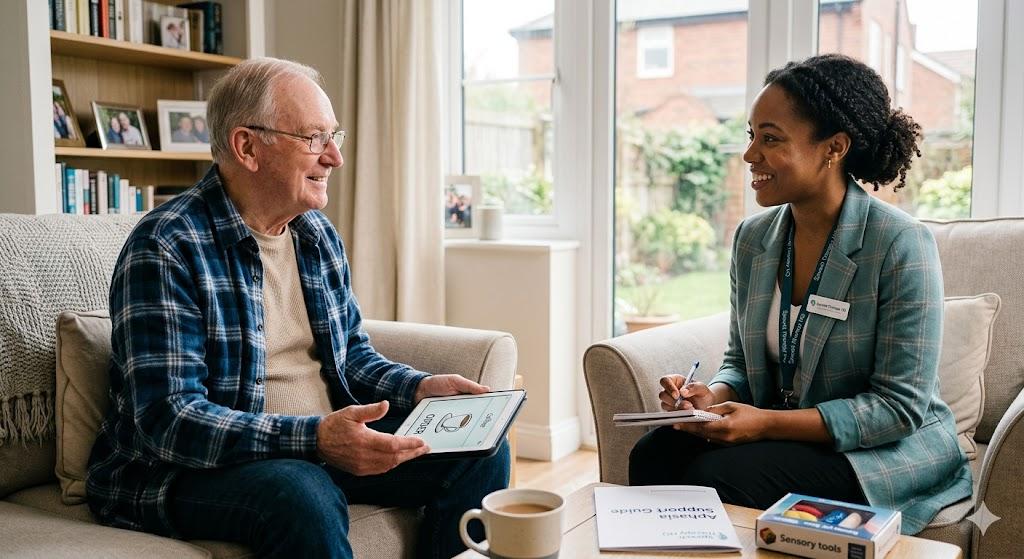
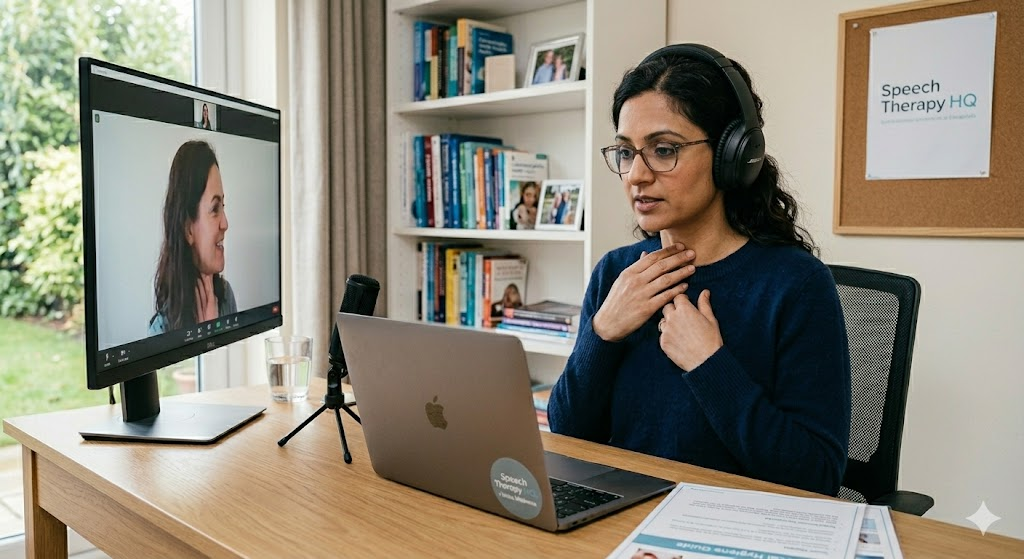
You can choose between home visits or online sessions, particularly if mobility or fatigue is a concern.
How long does aphasia therapy last?
Therapy duration varies. Some people need short-term targeted input, while others prefer ongoing support as recovery progresses.
Taking the Next Step: Private Aphasia Therapy for Adults
Living with aphasia can feel isolating, but you are not alone.
With specialist private speech and language therapy for aphasia, many adults regain clearer communication, rebuild confidence, and reconnect with the people around them.
If you are searching for:
- Private aphasia therapy near you
- Speech therapy after stroke
- Help with word-finding difficulties
- Support for a family member with aphasia
We are here to help.
Book an initial consultation today to discuss your goals and explore how personalised aphasia therapy can support recovery and independence.
Communication is fundamental to who we are and we can help you get back to being you!